Monday, September 28, 2009
Oprah Winfrey Discusses Free Swine Flu (H1N1) Vaccine
Swine Flu Vaccine will be widely available beginning next month at no cost.
Free Swine Flu Vaccine the Blog will keep you informed on locations and news about Swine Flu.

Wednesday, September 23, 2009
Swine Flu - Not a big deal.
MURPHY: Swine flu is not a big deal
By Michael Murphy. Published September 17, 2009.
Have you been coughed or sneezed on lately?
If you answered yes, then you have swine flu. If you answered no, then chances are, you’re going to get swine flu.
Sure, I might be exaggerating a little, but who cares if you contract it?
Swine flu is not the big deal America has hyped it up to be.
Dr. Marc Lipsitch of Harvard University told Reuters.com that new estimates suggest the death rate of swine flu compares to a normal year of seasonal influenza.
Lipsitch added that he thinks we are in a Category 1 pandemic—normal for the seasonal flu.
To give you an idea of what this means, the Pandemic Severity Index set by the U.S. government has five categories: Category 1, the seasonal flu, has a mortality rate of about 0.1 percent.
However, the elderly make up most of this small percentage, as they are more easily affected by the flu.
A Category 5 would resemble the famous 1918 flu outbreak that killed millions.
At the time of the outbreak, people were walking around in gauze facemasks and little girls were jump roping to, “I had a little bird, its name was Enza, I opened the window and in-flu-enza.” Creepy, I know.
But fear not, students of Marquette, because while many of you have probably heard wild rumors about swine flu enrolling at Marquette, the handful of cases on campus haven’t all been confirmed.
It seems more people are turning into hypochondriacs than swine flu victims.
Despite the scarcity of the virus on campus, Marquette has taken the offensive to combat the swine flu by posting hygiene fliers all around campus.
I am assuming they are reaching out to those with the social etiquette of a Neanderthal because the flier gives a brief tutorial on how to cough, sneeze and wash our hands.
Hopefully, this will put a stop to the uncultivated people who walk around campus deliberately coughing and sneezing on people.
For those of you who are genuinely confused about what do to when confronted with a cough or sneeze in a public venue, then you may find the fliers helpful.
If you look at the sign, the stick figure looks more like a lollipop king performing a magic trick.
As you scan down the flier, there is also a picture-by-picture walk through about how to wash your hands.
So far, I have not seen or heard anyone look at the flier and say, “Oh! I thought you were supposed to eat the soap! I have been doing it wrong for the last 20 years!”
So while the Minnesota Department of Health surely meant well when they created these flyers, they were actually making things worse.
A: They wasted a bunch of paper (remember how going green used to be in).
B: They are making people worry more about a virus that is as deadly as the seasonal flu we deal with annually.
So let’s not fall into a panic and let swine flu take the attention off more important things, like Obama’s proposed health care reform, gray wolves being added to the endangered species list and the 2010 Cubs season.
Let’s look this disease right in the eye and say, “I eat pigs like you for breakfast.”
By Michael Murphy. Published September 17, 2009.
Have you been coughed or sneezed on lately?
If you answered yes, then you have swine flu. If you answered no, then chances are, you’re going to get swine flu.
Sure, I might be exaggerating a little, but who cares if you contract it?
Swine flu is not the big deal America has hyped it up to be.
Dr. Marc Lipsitch of Harvard University told Reuters.com that new estimates suggest the death rate of swine flu compares to a normal year of seasonal influenza.
Lipsitch added that he thinks we are in a Category 1 pandemic—normal for the seasonal flu.
To give you an idea of what this means, the Pandemic Severity Index set by the U.S. government has five categories: Category 1, the seasonal flu, has a mortality rate of about 0.1 percent.
However, the elderly make up most of this small percentage, as they are more easily affected by the flu.
A Category 5 would resemble the famous 1918 flu outbreak that killed millions.
At the time of the outbreak, people were walking around in gauze facemasks and little girls were jump roping to, “I had a little bird, its name was Enza, I opened the window and in-flu-enza.” Creepy, I know.
But fear not, students of Marquette, because while many of you have probably heard wild rumors about swine flu enrolling at Marquette, the handful of cases on campus haven’t all been confirmed.
It seems more people are turning into hypochondriacs than swine flu victims.
Despite the scarcity of the virus on campus, Marquette has taken the offensive to combat the swine flu by posting hygiene fliers all around campus.
I am assuming they are reaching out to those with the social etiquette of a Neanderthal because the flier gives a brief tutorial on how to cough, sneeze and wash our hands.
Hopefully, this will put a stop to the uncultivated people who walk around campus deliberately coughing and sneezing on people.
For those of you who are genuinely confused about what do to when confronted with a cough or sneeze in a public venue, then you may find the fliers helpful.
If you look at the sign, the stick figure looks more like a lollipop king performing a magic trick.
As you scan down the flier, there is also a picture-by-picture walk through about how to wash your hands.
So far, I have not seen or heard anyone look at the flier and say, “Oh! I thought you were supposed to eat the soap! I have been doing it wrong for the last 20 years!”
So while the Minnesota Department of Health surely meant well when they created these flyers, they were actually making things worse.
A: They wasted a bunch of paper (remember how going green used to be in).
B: They are making people worry more about a virus that is as deadly as the seasonal flu we deal with annually.
So let’s not fall into a panic and let swine flu take the attention off more important things, like Obama’s proposed health care reform, gray wolves being added to the endangered species list and the 2010 Cubs season.
Let’s look this disease right in the eye and say, “I eat pigs like you for breakfast.”
how does swine flu spread?
How Does Swine Flu Spread?
Swine flu spreads like regular flu: from an infected person through coughing or sneezing. The virus can live on surfaces for a short while, so you can catch it by touching something an infected person touched and then touching your nose, mouth, or eyes. (See the CDC for more information.)
Take the same precautions as you would with regular flu: wash hands regularly, use hand sanitizer, and don't touch your nose, mouth, or eyes unless your hands are really clean. If the flu spreads, you may want to wear a mouth guard to protect against inhaling germs. Look for an "N95" mask, which is designed to keep out germs and viruses.
Swine flu spreads like regular flu: from an infected person through coughing or sneezing. The virus can live on surfaces for a short while, so you can catch it by touching something an infected person touched and then touching your nose, mouth, or eyes. (See the CDC for more information.)
Take the same precautions as you would with regular flu: wash hands regularly, use hand sanitizer, and don't touch your nose, mouth, or eyes unless your hands are really clean. If the flu spreads, you may want to wear a mouth guard to protect against inhaling germs. Look for an "N95" mask, which is designed to keep out germs and viruses.
Monday, September 21, 2009
H1N1 deaths
Swine flu H1N1 deaths - September 19, 2009
http://swine-flue-virus.blogspot.com/ 2009/ 09/ swine...
Belfast: 1 new H1N1 fatal case confirmed HEALTH officials last night confirmed that the death of a 21-year-old Belfast woman in Barcelona was being linked to swine flu. more here... Mexico swine flu death toll climbs to 218 Mexico health officials stated that 1,341 new H1N1 flu cases were recorded since this week bringing the total number of H1N1 flu cases to 26,338 ahead of the usual autumn flu season. Total flu death toll has climbed upto 218 in the country. continue here..
http://swine-flue-virus.blogspot.com/ 2009/ 09/ swine...
Belfast: 1 new H1N1 fatal case confirmed HEALTH officials last night confirmed that the death of a 21-year-old Belfast woman in Barcelona was being linked to swine flu. more here... Mexico swine flu death toll climbs to 218 Mexico health officials stated that 1,341 new H1N1 flu cases were recorded since this week bringing the total number of H1N1 flu cases to 26,338 ahead of the usual autumn flu season. Total flu death toll has climbed upto 218 in the country. continue here..
Italy confirms first swine flu death
Italy said Friday a 51-year-old Neapolitan man with chronic heart problems had become the country’s first H1N1 flu victim.
The man had been hospitalized for several days at Naples’ Cotugno hospital before dying early Friday, the hospital’s intensive care unit said.
Italy has reported some 2,000 swine flu cases nationwide.
The man had been hospitalized for several days at Naples’ Cotugno hospital before dying early Friday, the hospital’s intensive care unit said.
Italy has reported some 2,000 swine flu cases nationwide.
History of Swine Flu
In 1976, there was an outbreak of swine flu at Fort Dix. This virus is not the same as the 2009 outbreak, but it was similar insofar as it was an influenza A virus that had similarities to the swine flu virus. There was one death at Fort Dix. The government decided to produce a vaccine against this virus, but the vaccine was associated with neurological complications (Guillain-Barré syndrome) and was discontinued. Some individuals speculate that formalin, used to inactivate the virus, may have played a role in the development of this complication in 1976. There is no evidence that anyone who obtained this vaccine would be protected against the 2009 swine flu. One of the reasons it takes a few months to develop a new vaccine is to test the vaccine for safety to avoid the complications seen in the 1976 vaccine. New vaccines against any flu virus type are usually made by growing virus particles in eggs. A serious side effect (allergic reaction such as swelling of the airway) to vaccines can occur in people who are allergic to eggs; these people should not get flu vaccines. Individuals with active infections or diseases of the nervous system are also not recommended to get flu vaccines.
Florida Gators Get Flu Shots - Concerns Over Swine Flu Rise
The Florida Gators got a round of flu shots Sunday, the latest precaution for a team fighting to stave off a major problem.
Running back Jeff Demps, tight end Aaron Hernandez and defensive end Jermaine Cunningham were isolated last week because of flulike symptoms.
Coach Urban Meyer said that receivers coach Billy Gonzales was sent home Monday because he was feeling ill and had a fever.
None of the Gators have had a confirmed case of swine flu, but Meyer did say he was concerned the virus could ravage his team.
"It is a panic level of proportion I've never seen before," Meyer said Sunday, a day after his team's 23-13 victory over Tennessee. "You hear about, I think, Wisconsin had 40 players. Ole Miss had 20 players. My wife, with her great insight, said, 'Do you realize the swine flu and everything is hitting the Florida campus last week.' My gosh."
Meyer said team doctors and trainers were doing everything they could to prevent an outbreak. They have hand sanitizer and prevention checklists all around the training facility, and are telling players to stay hydrated and monitor their weight regularly.
"We're trying the best we can, but it's real," Meyer said. "We go to the extremes. They get a separate dorm room for them. They get a separate hotel room for them. They put them right on whatever the flu stuff is. Our guys, our team doctors, they're on it as fast as you can get on it."
Flu shots were the latest course of action. They came about a week after one school official predicted that as many as 40 percent of students could catch swine flu.
Billy Gonzales receivers coach was today with fever.
"We knew it was hitting Gainesville," senior receiver David Nelson said Sunday. "Not just the football team, but throughout the campus and throughout the community. We knew it was a problem. Everywhere you turn, they're always telling you to wash your hand, take showers and all this different stuff.
"We knew there was something going on and there was a few players getting sick, but we didn't know the extent of how many people on our team were sick from it."
So far, only three.
Demps, Cunningham and Hernandez all played against Tennessee on Saturday, but none of them seemed up to par.
Demps, who had a 101-degree temperature, ran four times for 31 yards and a touchdown. Hernandez caught four passes for 26 yards. And Cunningham finished with one tackle.
"They were beat up pretty good," Meyer said.
Meyer said there could more players isolated this week as the Gators prepare to play at Kentucky. Meyer was most concerned with Demps, the team's starting running back, because he's early in the course of symptoms. Hernandez and Cunningham were getting over theirs, Meyer said.
The Gators hope flu shots will help prevent it from spreading any further.
"They're doing a great job of monitoring everybody's weight and making sure everybody's hydrating and making sure they're taking care of themselves," Nelson said. "That's the main emphasis."
Running back Jeff Demps, tight end Aaron Hernandez and defensive end Jermaine Cunningham were isolated last week because of flulike symptoms.
Coach Urban Meyer said that receivers coach Billy Gonzales was sent home Monday because he was feeling ill and had a fever.
None of the Gators have had a confirmed case of swine flu, but Meyer did say he was concerned the virus could ravage his team.
"It is a panic level of proportion I've never seen before," Meyer said Sunday, a day after his team's 23-13 victory over Tennessee. "You hear about, I think, Wisconsin had 40 players. Ole Miss had 20 players. My wife, with her great insight, said, 'Do you realize the swine flu and everything is hitting the Florida campus last week.' My gosh."
Meyer said team doctors and trainers were doing everything they could to prevent an outbreak. They have hand sanitizer and prevention checklists all around the training facility, and are telling players to stay hydrated and monitor their weight regularly.
"We're trying the best we can, but it's real," Meyer said. "We go to the extremes. They get a separate dorm room for them. They get a separate hotel room for them. They put them right on whatever the flu stuff is. Our guys, our team doctors, they're on it as fast as you can get on it."
Flu shots were the latest course of action. They came about a week after one school official predicted that as many as 40 percent of students could catch swine flu.
Billy Gonzales receivers coach was today with fever.
"We knew it was hitting Gainesville," senior receiver David Nelson said Sunday. "Not just the football team, but throughout the campus and throughout the community. We knew it was a problem. Everywhere you turn, they're always telling you to wash your hand, take showers and all this different stuff.
"We knew there was something going on and there was a few players getting sick, but we didn't know the extent of how many people on our team were sick from it."
So far, only three.
Demps, Cunningham and Hernandez all played against Tennessee on Saturday, but none of them seemed up to par.
Demps, who had a 101-degree temperature, ran four times for 31 yards and a touchdown. Hernandez caught four passes for 26 yards. And Cunningham finished with one tackle.
"They were beat up pretty good," Meyer said.
Meyer said there could more players isolated this week as the Gators prepare to play at Kentucky. Meyer was most concerned with Demps, the team's starting running back, because he's early in the course of symptoms. Hernandez and Cunningham were getting over theirs, Meyer said.
The Gators hope flu shots will help prevent it from spreading any further.
"They're doing a great job of monitoring everybody's weight and making sure everybody's hydrating and making sure they're taking care of themselves," Nelson said. "That's the main emphasis."
Businesses brace for threat of swine flu
September 20, 2009
By ROWENA VERGARA and Cindy Cain rvergara@scn.com; ccain@scn1.com
A widespread swine flu outbreak this winter could seriously cripple the ability of many businesses to operate, according to a Harvard School of Public Health study released recently.
Two-thirds of the more than 1,000 businesses questioned in the study said they could not continue to operate with 50 percent of workers out sick for two weeks. Even fewer, 22 percent, said they could continue to operate for a month if half of their workers were stricken by the flu.weeks or more.
But only a minority of businesses has begun to prepare an emergency plan for a possible widespread outbreak of the swine, or H1N1, flu, health experts warn.
"Businesses need to start planning how to adjust their operations to account for greater absenteeism and to slow the spread of H1N1 in the workplace," said Robert Blendon, professor of Health Policy and Political Analysis at Harvard.
Businesses may have to consider having more flexible leave policies, not requiring notes from doctors and staggering shifts to handle a widespread outbreak, the Harvard study advised.
Workers at Caterpillar's Oswego Township plant are preparing and practicing now for a potential outbreak situation. The company has been conducting mock employee screenings for the flu at entrance gates, said spokeswoman Bridget Young.
Medical workers would be involved in taking temperatures and going through a questionnaire with employees who may need more attention -- only after Caterpillar's team of corporate medical workers have been advised by the World Health Organization, Centers for Disease Control and local health departments to conduct the screenings.
"If the time comes to enact that plan, we're ready to react," Young said.
Another major employer, Fermilab, has always had a comprehensive plan for how to handle pandemics or outbreaks. To keep operations running smoothly, Fermilab has a process in place that determines the chain of command in the event managers and supervisors fall ill.
The company offers free flu shots to employees, which will be available soon.
Among the local hospitals, Rush-Copley Medical Center has a team of workers meeting weekly to discuss the event of an swine flu outbreak. The team closely monitors the number of seasonal flu cases and works with hospitals in the region to assess the situation.
Provena Mercy Medical Center is not requiring health care workers to receive either vaccine, but the hospital is telling all of its employees that if they get sick, prepare to stay at home for seven days.
The seasonal flu vaccine, as well as the swine flu vaccine, will become available to employees at both Rush-Copley and Provena for free.
The hospitals are not following the lead from Loyola University Medical Center in Maywood, which recently instituted a mandatory seasonal flu vaccine for all of its health care workers.
At Provena Mercy Medical Center, employees who are healthy could be asked to work extra hours if too many workers are sick.
Also, health care workers with nursing capabilities could be asked to assist with bedside functions like temperature and blood pressure checks, as well as bathing and changing. Extra help could be needed in Provena's emergency room as well, Quirin of Provena Mercy said.
Provena is also prepared to set up areas for health care workers to sleep at the hospital "if they can't leave easily," Quirin said.
Within a week of the news that Illinois was seeing swine flu cases last flu season, Provena's emergency room visits soared and staff was increased.
If a business has not considered its emergency preparedness plan, the Kendall County Health Department suggests taking the precautions you would take to prevent the flu. But also, employers should be realistic about this year's flu season: know that employees will be out of work and production and operations could be slow, Donna Sperlakis of the Kendall health department said.
"Companies should consider just relaxing their policies and not punishing people for calling in sick," she said. "Give them the flexibility to be sick if they really are sick, like working from home, if they have sick kids at home."
More information also is available for the business community at www.flu.gov.
By ROWENA VERGARA and Cindy Cain rvergara@scn.com; ccain@scn1.com
A widespread swine flu outbreak this winter could seriously cripple the ability of many businesses to operate, according to a Harvard School of Public Health study released recently.
Two-thirds of the more than 1,000 businesses questioned in the study said they could not continue to operate with 50 percent of workers out sick for two weeks. Even fewer, 22 percent, said they could continue to operate for a month if half of their workers were stricken by the flu.weeks or more.
But only a minority of businesses has begun to prepare an emergency plan for a possible widespread outbreak of the swine, or H1N1, flu, health experts warn.
"Businesses need to start planning how to adjust their operations to account for greater absenteeism and to slow the spread of H1N1 in the workplace," said Robert Blendon, professor of Health Policy and Political Analysis at Harvard.
Businesses may have to consider having more flexible leave policies, not requiring notes from doctors and staggering shifts to handle a widespread outbreak, the Harvard study advised.
Workers at Caterpillar's Oswego Township plant are preparing and practicing now for a potential outbreak situation. The company has been conducting mock employee screenings for the flu at entrance gates, said spokeswoman Bridget Young.
Medical workers would be involved in taking temperatures and going through a questionnaire with employees who may need more attention -- only after Caterpillar's team of corporate medical workers have been advised by the World Health Organization, Centers for Disease Control and local health departments to conduct the screenings.
"If the time comes to enact that plan, we're ready to react," Young said.
Another major employer, Fermilab, has always had a comprehensive plan for how to handle pandemics or outbreaks. To keep operations running smoothly, Fermilab has a process in place that determines the chain of command in the event managers and supervisors fall ill.
The company offers free flu shots to employees, which will be available soon.
Among the local hospitals, Rush-Copley Medical Center has a team of workers meeting weekly to discuss the event of an swine flu outbreak. The team closely monitors the number of seasonal flu cases and works with hospitals in the region to assess the situation.
Provena Mercy Medical Center is not requiring health care workers to receive either vaccine, but the hospital is telling all of its employees that if they get sick, prepare to stay at home for seven days.
The seasonal flu vaccine, as well as the swine flu vaccine, will become available to employees at both Rush-Copley and Provena for free.
The hospitals are not following the lead from Loyola University Medical Center in Maywood, which recently instituted a mandatory seasonal flu vaccine for all of its health care workers.
At Provena Mercy Medical Center, employees who are healthy could be asked to work extra hours if too many workers are sick.
Also, health care workers with nursing capabilities could be asked to assist with bedside functions like temperature and blood pressure checks, as well as bathing and changing. Extra help could be needed in Provena's emergency room as well, Quirin of Provena Mercy said.
Provena is also prepared to set up areas for health care workers to sleep at the hospital "if they can't leave easily," Quirin said.
Within a week of the news that Illinois was seeing swine flu cases last flu season, Provena's emergency room visits soared and staff was increased.
If a business has not considered its emergency preparedness plan, the Kendall County Health Department suggests taking the precautions you would take to prevent the flu. But also, employers should be realistic about this year's flu season: know that employees will be out of work and production and operations could be slow, Donna Sperlakis of the Kendall health department said.
"Companies should consider just relaxing their policies and not punishing people for calling in sick," she said. "Give them the flexibility to be sick if they really are sick, like working from home, if they have sick kids at home."
More information also is available for the business community at www.flu.gov.
Swine Flu Vaccine To Be Released as Nasal Spray
ATLANTA — The first doses of swine flu vaccine may all be the nasal spray version, government health officials said Friday.
The government has said a trickle of vaccine will be available in early October, but on Friday they defined the size of that trickle — an estimated 3.4 million doses.
Currently it looks like all of them will be a nasal spray vaccine that is approved only for healthy people ages 2 to 49, said Dr. Jay Butler, an official with the Centers for Disease Control and Prevention.
The nasal spray, called FluMist, is not recommended for some of the people most in danger of severe swine flu complications. That includes pregnant women, children younger than 2, and people with asthma and other chronic respiratory diseases.
Sponsored Links
However, it’s possible that some vaccine shots will become available by the first week of October as well, said Butler, chief of the CDC’s swine flu vaccine task force.
Flu shots are made of killed influenza virus, while FluMist is a live but weakened strain. The nasal spray is only approved in the United States, and is made by the Maryland-based MedImmune, an AstraZeneca PLC subsidiary. Four other companies are making flu shots for the U.S.
The initial vaccine doses will go to up to 90,000 sites, including schools and clinics, across the U.S. State health departments will determine which offices and clinics get the shots, and whether health care workers or others get the first doses, Butler said at a CDC press conference Friday.
The government has ordered 195 million doses but may order more if there’s enough demand, health officials have said. Typically fewer than 100 million Americans get a flu vaccine every year, and it’s unclear whether swine flu will prompt much more demand.
A recent Associated Press-GfK poll found 57 percent of people said they were likely to get it.
The government has said a trickle of vaccine will be available in early October, but on Friday they defined the size of that trickle — an estimated 3.4 million doses.
Currently it looks like all of them will be a nasal spray vaccine that is approved only for healthy people ages 2 to 49, said Dr. Jay Butler, an official with the Centers for Disease Control and Prevention.
The nasal spray, called FluMist, is not recommended for some of the people most in danger of severe swine flu complications. That includes pregnant women, children younger than 2, and people with asthma and other chronic respiratory diseases.
Sponsored Links
However, it’s possible that some vaccine shots will become available by the first week of October as well, said Butler, chief of the CDC’s swine flu vaccine task force.
Flu shots are made of killed influenza virus, while FluMist is a live but weakened strain. The nasal spray is only approved in the United States, and is made by the Maryland-based MedImmune, an AstraZeneca PLC subsidiary. Four other companies are making flu shots for the U.S.
The initial vaccine doses will go to up to 90,000 sites, including schools and clinics, across the U.S. State health departments will determine which offices and clinics get the shots, and whether health care workers or others get the first doses, Butler said at a CDC press conference Friday.
The government has ordered 195 million doses but may order more if there’s enough demand, health officials have said. Typically fewer than 100 million Americans get a flu vaccine every year, and it’s unclear whether swine flu will prompt much more demand.
A recent Associated Press-GfK poll found 57 percent of people said they were likely to get it.
Sunday, September 20, 2009


Saturday, September 19, 2009
Which Vaccine to get????
Which Vaccine To Get?
Groups Recommended to Receive the H1N1 Vaccine
Population groups recommended to receive the 2009 H1N1 flu vaccine include:
Persons from 6 months to 24 years old;
Persons age 25 to 64 who have health conditions associated with higher risk of medical complications from flu;
Pregnant women;
Persons who come in contact with children younger than 6 months, such as caregivers, and;
Health care and emergency medical services personnel.
Source: U.S. Centers for Disease Control and Prevention
Groups Recommended to Receive a Seasonal Flu Vaccine
Population groups recommended to receive the 2009 seasonal flu vaccine include:
People 50 years of age or older;
Children age 6 months up through 18;
People of any age with certain chronic medical conditions;
Pregnant women;
People who live in nursing homes and other long-term care facilities;
Caregivers of persons at high risk for complications from flu; and heath-care workers.
Source: U.S. Centers for Disease Control and Prevention
Groups Recommended to Receive the H1N1 Vaccine
Population groups recommended to receive the 2009 H1N1 flu vaccine include:
Persons from 6 months to 24 years old;
Persons age 25 to 64 who have health conditions associated with higher risk of medical complications from flu;
Pregnant women;
Persons who come in contact with children younger than 6 months, such as caregivers, and;
Health care and emergency medical services personnel.
Source: U.S. Centers for Disease Control and Prevention
Groups Recommended to Receive a Seasonal Flu Vaccine
Population groups recommended to receive the 2009 seasonal flu vaccine include:
People 50 years of age or older;
Children age 6 months up through 18;
People of any age with certain chronic medical conditions;
Pregnant women;
People who live in nursing homes and other long-term care facilities;
Caregivers of persons at high risk for complications from flu; and heath-care workers.
Source: U.S. Centers for Disease Control and Prevention
Chattanooga, TN Flu Information Line
CHATTANOOGA (WRCB) -- The Chattanooga-Hamilton County Health Department says a hotline is now open to answer your questions about the flu. You can ask about vaccine, illness symptoms, medical care, prevention measures, or other issues related to both seasonal influenza or H1N1 influenza. Call 209-8393 between 8:30 a.m. and 4:00 p.m. daily.
pandemic
A pandemic (from Greek πᾶν pan "all" + δῆμος demos "people") is an epidemic of infectious disease that is spreading through human populations across a large region; for instance a continent, or even worldwide. A widespread endemic disease that is stable in terms of how many people are getting sick from it is not a pandemic. Further, flu pandemics exclude seasonal flu. Throughout history there have been a number of pandemics, such as smallpox and tuberculosis. More recent pandemics include the HIV pandemic and the 2009 flu pandemic.
Quebec's swine flu vaccine free to all
More than 11 million doses of swine flu vaccine will be available in Quebec, free to any resident who wants it, provincial Health Minister Yves Bolduc said Thursday.
Bolduc made the comments in Winnipeg, where the federal and provincial health ministers were meeting to prepare a strategy to prevent the spread of the H1N1 influenza virus.
Meanwhile, public health authorities in Quebec said the province could shelve its traditional fall influenza vaccination campaign to focus on preventing swine flu.
"We know there will be a bit of confusion," said chief public health officer Dr. Alain Poirier.
"We are now struggling with the actual way of introducing it this fall.... One option is to cancel it completely," said Poirier.
Poirier said a final decision should be made within 10 days.
But, the province's plan to distribute the H1N1 vaccine is ready.
Once it is launched, Poirier said the vaccination campaign should be completed within 30 days, with more than 200,000 people receiving the vaccination daily.
Quebec's vaccination plan will give priority to:
Adults under 65 suffering from chronic illnesses.
Pregnant women.
Children between six months and five years of age.
Health-care workers.
People living in remote regions.
Those living with at-risk people who cannot be vaccinated (i.e., children under six months, and those with compromised immune systems).
Poirier said initial trial results show the vaccine — produced by GlaxoSmithKline — is effective after a single dose.
He rejected concerns that officials have been overly alarmist about the dangers of swine flu.
"It is a good thing that it is not as bad as we had planned for," said Poirier. "But, we've had 27 deaths in Quebec, including two young ladies who were pregnant."
"I think we have to do what we're doing."
Poirier said there are no plans to force health-care workers to be vaccinated. But he said if there is an outbreak, at-risk workers who refuse could be forced to take an unpaid leave of absence
Bolduc made the comments in Winnipeg, where the federal and provincial health ministers were meeting to prepare a strategy to prevent the spread of the H1N1 influenza virus.
Meanwhile, public health authorities in Quebec said the province could shelve its traditional fall influenza vaccination campaign to focus on preventing swine flu.
"We know there will be a bit of confusion," said chief public health officer Dr. Alain Poirier.
"We are now struggling with the actual way of introducing it this fall.... One option is to cancel it completely," said Poirier.
Poirier said a final decision should be made within 10 days.
But, the province's plan to distribute the H1N1 vaccine is ready.
Once it is launched, Poirier said the vaccination campaign should be completed within 30 days, with more than 200,000 people receiving the vaccination daily.
Quebec's vaccination plan will give priority to:
Adults under 65 suffering from chronic illnesses.
Pregnant women.
Children between six months and five years of age.
Health-care workers.
People living in remote regions.
Those living with at-risk people who cannot be vaccinated (i.e., children under six months, and those with compromised immune systems).
Poirier said initial trial results show the vaccine — produced by GlaxoSmithKline — is effective after a single dose.
He rejected concerns that officials have been overly alarmist about the dangers of swine flu.
"It is a good thing that it is not as bad as we had planned for," said Poirier. "But, we've had 27 deaths in Quebec, including two young ladies who were pregnant."
"I think we have to do what we're doing."
Poirier said there are no plans to force health-care workers to be vaccinated. But he said if there is an outbreak, at-risk workers who refuse could be forced to take an unpaid leave of absence
Thursday, September 17, 2009


History of Swine Flu
Swine influenza was first proposed to be a disease related to human influenza during the 1918 flu pandemic, when pigs became sick at the same time as humans. The first identification of an influenza virus as a cause of disease in pigs occurred about ten years later, in 1930. For the following 60 years, swine influenza strains were almost exclusively H1N1. Then, between 1997 and 2002, new strains of three different subtypes and five different genotypes emerged as causes of influenza among pigs in North America. In 1997–1998, H3N2 strains emerged. These strains, which include genes derived by reassortment from human, swine and avian viruses, have become a major cause of swine influenza in North America. Reassortment between H1N1 and H3N2 produced H1N2. In 1999 in Canada, a strain of H4N6 crossed the species barrier from birds to pigs, but was contained on a single farm.
The H1N1 form of swine flu is one of the descendants of the strain that caused the 1918 flu pandemic. As well as persisting in pigs, the descendants of the 1918 virus have also circulated in humans through the 20th century, contributing to the normal seasonal epidemics of influenza. However, direct transmission from pigs to humans is rare, with only 12 cases in the U.S. since 2005. Nevertheless, the retention of influenza strains in pigs after these strains have disappeared from the human population might make pigs a reservoir where influenza viruses could persist, later emerging to reinfect humans once human immunity to these strains has waned.
Swine flu has been reported numerous times as a zoonosis in humans, usually with limited distribution, rarely with a widespread distribution. Outbreaks in swine are common and cause significant economic losses in industry, primarily by causing stunting and extended time to market. For example, this disease costs the British meat industry about £65 million every year.
HAND WASHING is the best prevention step to avoid contracting Swine Flu.
The H1N1 form of swine flu is one of the descendants of the strain that caused the 1918 flu pandemic. As well as persisting in pigs, the descendants of the 1918 virus have also circulated in humans through the 20th century, contributing to the normal seasonal epidemics of influenza. However, direct transmission from pigs to humans is rare, with only 12 cases in the U.S. since 2005. Nevertheless, the retention of influenza strains in pigs after these strains have disappeared from the human population might make pigs a reservoir where influenza viruses could persist, later emerging to reinfect humans once human immunity to these strains has waned.
Swine flu has been reported numerous times as a zoonosis in humans, usually with limited distribution, rarely with a widespread distribution. Outbreaks in swine are common and cause significant economic losses in industry, primarily by causing stunting and extended time to market. For example, this disease costs the British meat industry about £65 million every year.
HAND WASHING is the best prevention step to avoid contracting Swine Flu.
Wednesday, September 16, 2009
Who is at risk?
People at Risk
The following people may be at risk for serious complications from the flu:
People over 65 years old
Young children under 2 years old
Pregnant women
People with chronic medical conditions such as:
Arthritis
Asthma
Cancer
Chronic obstructive pulmonary disease
Diabetes
Dialysis patients
Emphysema
Heart disease and stroke
HIV/AIDS
Hypertension (high blood pressure)
Transplant patients
The following people may be at risk for serious complications from the flu:
People over 65 years old
Young children under 2 years old
Pregnant women
People with chronic medical conditions such as:
Arthritis
Asthma
Cancer
Chronic obstructive pulmonary disease
Diabetes
Dialysis patients
Emphysema
Heart disease and stroke
HIV/AIDS
Hypertension (high blood pressure)
Transplant patients
The Swine Flu Pandemic of 2009
The 2009 flu pandemic is a global outbreak of a new strain of an influenza A virus subtype H1N1, referred to as the novel H1N1, first identified in April 2009, and commonly called swine flu. It is thought to be a reassortment of four known strains of influenza A virus: one endemic in (normally infecting) humans, one endemic in birds, and two endemic in pigs (swine). Transmission of the new strain is human-to-human, with cooked pork products safe to eat as the virus cannot be transmitted by eating foods.
The outbreak began in Mexico, with evidence that Mexico was already in the midst of an epidemic for months before the outbreak was recognized. Soon after, its government closed down most of Mexico City's public and private offices and facilities to help contain the spread. In early June, as the virus spread globally, the World Health Organization (WHO) declared the outbreak to be a pandemic, but also noted that most illnesses were of moderate severity. The virus later spread to the Southern Hemisphere which entered its winter flu season. Because the virus was spreading with unprecedented speed, many clinics were overwhelmed testing and treating patients, and WHO and the CDC stopped reporting all cases while focusing more on large outbreaks.
The virus spreads via coughing, sneezing or touching contaminated surfaces and then touching the nose or mouth. Symptoms, which last up to a week, are similar to those of seasonal flu, and can include fever, sneezes, sore throat, coughs, headache, and muscle or joint pains. The U.S. Centers for Disease Control and Prevention (CDC) noted that although this was a very serious virus, cases worldwide were usually mild, and most hospitalizations and deaths had been of persons that also had underlying conditions such as asthma, diabetes, obesity, heart disease, or a weakened immune system.
To prevent spreading the infection, the CDC recommends that those with symptoms stay home from school, work and crowded settings. Wearing facial masks is of "limited benefit" as they are designed for industrial workplace use and do not filter out viral or other biological agents. A number of countries in Asia have also quarantined airline passengers with flu symptoms to slow its spread. A vaccine to help prevent infection will become available this fall, but will first be given to healthcare workers, pregnant women, and other higher risk groups. One injection is still required for the "seasonal flu" and early tests indicate that only one injection will likewise be needed for swine flu.
The outbreak began in Mexico, with evidence that Mexico was already in the midst of an epidemic for months before the outbreak was recognized. Soon after, its government closed down most of Mexico City's public and private offices and facilities to help contain the spread. In early June, as the virus spread globally, the World Health Organization (WHO) declared the outbreak to be a pandemic, but also noted that most illnesses were of moderate severity. The virus later spread to the Southern Hemisphere which entered its winter flu season. Because the virus was spreading with unprecedented speed, many clinics were overwhelmed testing and treating patients, and WHO and the CDC stopped reporting all cases while focusing more on large outbreaks.
The virus spreads via coughing, sneezing or touching contaminated surfaces and then touching the nose or mouth. Symptoms, which last up to a week, are similar to those of seasonal flu, and can include fever, sneezes, sore throat, coughs, headache, and muscle or joint pains. The U.S. Centers for Disease Control and Prevention (CDC) noted that although this was a very serious virus, cases worldwide were usually mild, and most hospitalizations and deaths had been of persons that also had underlying conditions such as asthma, diabetes, obesity, heart disease, or a weakened immune system.
To prevent spreading the infection, the CDC recommends that those with symptoms stay home from school, work and crowded settings. Wearing facial masks is of "limited benefit" as they are designed for industrial workplace use and do not filter out viral or other biological agents. A number of countries in Asia have also quarantined airline passengers with flu symptoms to slow its spread. A vaccine to help prevent infection will become available this fall, but will first be given to healthcare workers, pregnant women, and other higher risk groups. One injection is still required for the "seasonal flu" and early tests indicate that only one injection will likewise be needed for swine flu.
Vote For Your Swine Flu Public Service Announcement
Help get the message out about Swine Flu. Voting ends TODAY.
Hand washing precautions for Swine Flu may be the best way to help prevent the spread of the H1N1 Virus (Swine Flu).
The CDC is looking for help selecting the best PSA, vote on it today.
Free Swine Flu Vaccine will be available soon. Keep checking back her for the latest information on where to get your Free Swine Flu Vaccine.
Swine flu prevention starts with you.
Hand washing protocol helps prevent the spread of Swine Flu.
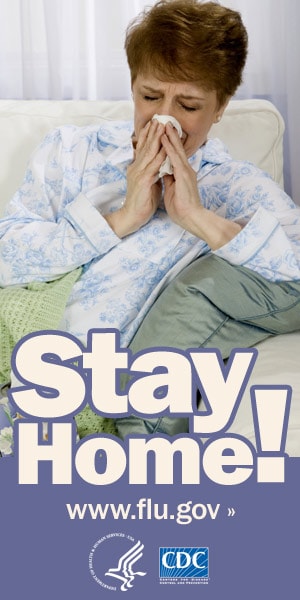
If your child is having Swine Flu Symptoms, keep them at home until they are feeling better.
Swine Flu Wiki:
Swine influenza (also called swine flu, hog flu, and pig flu) is an infection by any one of several types of swine influenza virus. Swine influenza virus (SIV) is any strain of the influenza family of viruses that is endemic in pigs. As of 2009, the known SIV strains include influenza C and the subtypes of influenza A known as H1N1, H1N2, H3N1, H3N2, and H2N3.
Swine influenza virus is common throughout pig populations worldwide. Transmission of the virus from pigs to humans is not common and does not always lead to human influenza, often resulting only in the production of antibodies in the blood. If transmission does cause human influenza, it is called zoonotic swine flu. People with regular exposure to pigs are at increased risk of swine flu infection. The meat of an infected animal poses no risk of infection when properly cooked.
During the mid-20th century, identification of influenza subtypes became possible, allowing accurate diagnosis of transmission to humans. Since then, only 50 such transmissions have been confirmed. These strains of swine flu rarely pass from human to human. Symptoms of zoonotic swine flu in humans are similar to those of influenza and of influenza-like illness in general, namely chills, fever, sore throat, muscle pains, severe headache, coughing, weakness and general discomfort.
Swine influenza virus is common throughout pig populations worldwide. Transmission of the virus from pigs to humans is not common and does not always lead to human influenza, often resulting only in the production of antibodies in the blood. If transmission does cause human influenza, it is called zoonotic swine flu. People with regular exposure to pigs are at increased risk of swine flu infection. The meat of an infected animal poses no risk of infection when properly cooked.
During the mid-20th century, identification of influenza subtypes became possible, allowing accurate diagnosis of transmission to humans. Since then, only 50 such transmissions have been confirmed. These strains of swine flu rarely pass from human to human. Symptoms of zoonotic swine flu in humans are similar to those of influenza and of influenza-like illness in general, namely chills, fever, sore throat, muscle pains, severe headache, coughing, weakness and general discomfort.

turn your head and cough.....

into your elbow or sleeve.
This practice keeps germs away from hands that spread disease.
SIMPLE precautions can keep you healthy.

A button with pictured crossed shaking hands and a slogan which reads: "sorry!" is seen in Bern September 3, 2009. The Swiss insurance company Die Mobiliar supplies their staff with a button to prompt their employees to not shaking hands to protect them from the influenza A H1N1 virus (swine flu).
REUTERS/Michael Buholzer (SWITZERLAND HEALTH)
Photo Tools
Email IM Print Purchase Cart
Recommend
Recommended11 users recommend
Tuesday, September 15, 2009
Listen to your mother.
Basic precautions can go a long way in preventing the spread of H1N1.
- Wash your hands! Before meals and after using the restroom.
- Cover your mouth (using your sleeve) when you sneeze or cough.
- Use antibacterial gel or wipes when soapy water is not available.
- Get plenty of rest.
- Wash your hands! Before meals and after using the restroom.
- Cover your mouth (using your sleeve) when you sneeze or cough.
- Use antibacterial gel or wipes when soapy water is not available.
- Get plenty of rest.
New York Hotline
Residents of the state of New York can call
1-800-808-1987
with any questions related to Swine Flu
1-800-808-1987
with any questions related to Swine Flu
What are the symptoms of Swine Flu?
If you or a family member have a fever of 100.4 degrees and 2 or more of the following symptoms, you might have swine flu:
headache
fatigue
sore throat
runny nose
loss of appetite
aching muscles
shortness of breath or cough
vomitting and/or diarrhea
headache
fatigue
sore throat
runny nose
loss of appetite
aching muscles
shortness of breath or cough
vomitting and/or diarrhea
Breaking News: Kathleen Sebelius Announces Swine Flu Vaccine Production Approved
 "I am pleased to report that today the Food and Drug Administration has approved applications for vaccine for the 2009 H1N1 virus for four of the (five) manufacturers of the US licensed seasonal influenza vaccine..." - Kathleen Sebelius September 15, 2009
The United States Government has purchased 195 Million doses of the H1N1 Vaccine that will be provided to the public free of charge.
The US Centers for Disease Control and Prevention (CDC) has recommended that pregnant women, people in contact with infants, medical personnel, people between the ages of six months and 24 years old, and adults under the age of 65 with underlying medical conditions should be the first to get the shots.
Subscribe to:
Comments (Atom)